
Buy a child a beautiful journal, suggest they "write about their feelings," and watch it gather dust by Thursday. The journal isn't the problem. The prompt is.
"Write about your feelings" fails seven-to-eleven-year-olds because it's abstract, large, and vaguely like homework. Kids respond to prompts that are concrete, slightly silly, and answerable in one honest sentence. The thirty below are built that way — grouped so you can match the prompt to the child and the day — with the three ground rules that keep journaling alive past the first week.
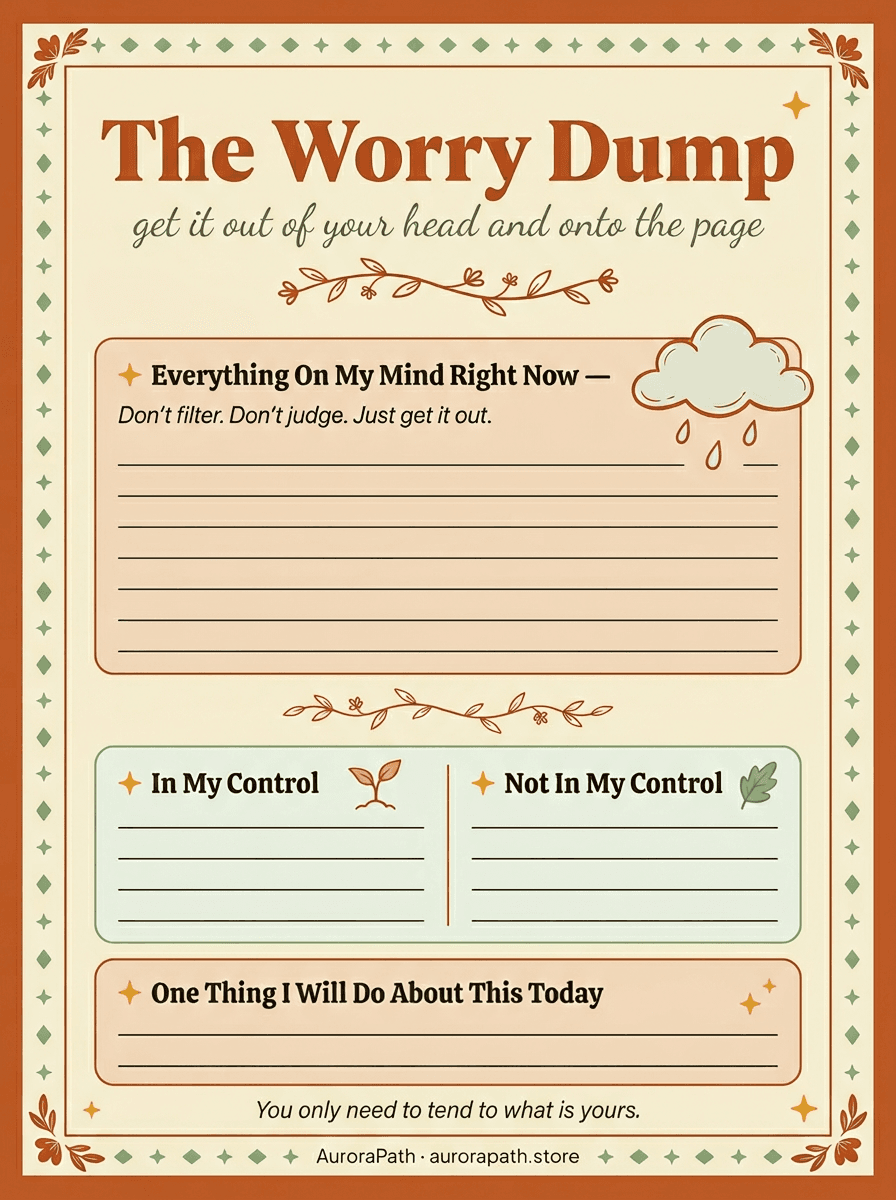
The Ground Rules (Read These First)
Drawing counts. For many children — especially younger or reluctant writers — a drawn answer is the processing. A journal that's half scribbles and stick figures is succeeding, not failing.
One sentence is a win. The goal is the noticing, not the word count. A child who writes "I felt left out at lunch" has done more emotional work than most adults manage before coffee.
The privacy promise. Decide together, out loud, who reads it — and the strongest option is nobody, unless you want to show me. A journal a child knows is private becomes the one place full honesty is free. Break the promise once and journaling dies forever. (If they do share something worrying, lead with warmth, not alarm — the scripts in our guide to what to say when your child is anxious translate directly.)
Silly Openers (for starting, and for reluctant journalers)
- If your pet (or future pet) could talk, what's the first thing it would complain about?
- Design the world's worst sandwich. What's in it?
- You're invisible for one hour at school. What do you do?
- Which grown-up rule makes no sense? Argue your case.
- If your bedroom could talk, what would it say about you?
- Invent a brand-new feeling. Name it, and say when people would feel it.
(Don't skip these as fluff — silly prompts teach the core mechanic: thought goes from head to page. Everything else builds on that.)
Feelings, Sideways (for emotional vocabulary)
- What colour was today? Why that colour?
- If today's main feeling was weather, what was the forecast?
- What's something that always makes you laugh, no matter what?
- When did your tummy or shoulders feel tight this week? What was happening?
- What feeling visited you today that you didn't invite?
- Where do you feel excited in your body? Where does worried live?
Sideways prompts work because direct ones ("how do you feel?") trigger the universal "fine." Colour, weather, and body questions sneak past the fine. The same trick powers the 90-second feelings check-in.
Gratitude and Good Things
- What made you smile today — even a tiny bit?
- Who was kind to you this week? What did they do?
- What's something boring that you'd actually really miss? (Socks. Toast. The dog snoring.)
- What's your favourite place in the world, and what does it smell like?
- Write a one-line thank-you to someone who'll never read it.
- What went right today?
Gratitude prompts have real research behind them — regular "good things" noticing is linked to better mood and even better sleep in studies of all ages. The full case for it is in our guide to building a gratitude practice with your child.
Brave Moments and Hard Things
- What's something hard you did this week, even though it was hard?
- Write about a time a worry guessed wrong about how things would go.
- What would you tell a friend who felt the way you felt on your worst day this week?
- What's something you can't do yet?
- If your worry was a creature, what would it look like? Draw it. Give it a slightly ridiculous name.
- What helped last time you felt awful? (Make a list to keep.)
Number 21 deserves a note: it's self-compassion in disguise — children are reliably kinder to imaginary friends than to themselves, and the prompt borrows that kindness back. (Why that skill changes everything is the subject of our piece on teaching children self-compassion.)
Imagination and Big Questions
- Describe your perfect ordinary day — not a holiday, a normal day done perfectly.
- What do you want to be like when you're old — not what job, what kind of person?
- If you could ask the whole world one question and get an honest answer, what would it be?
- What's something adults worry about that they probably don't need to?
- Write a letter to yourself one year from now. What do you hope is true?
- What made today different from yesterday?
Making It a Habit (Lightly)
Anchor it, don't schedule it: journal time lives best attached to something that already happens — after teeth, before the bedtime story. Three nights a week is plenty. Keep the journal and a pen physically on the pillow or bedside table (friction kills more journals than boredom does). And occasionally journal next to them in your own notebook, without comparing notes afterwards — the visible modelling does more than any encouragement speech.
When a prompt gets one flat sentence, fine — done, goodnight. When one gets two whole pages, you've learned something about what's alive in there. Don't interrogate it. Just notice, and maybe choose tomorrow's prompt accordingly.
Daily journaling pages — with prompts built into a 30-day illustrated journey — are one third of Grow Calm, our printable mindfulness book for children aged 7–11 (learn, activity, journal, every day). Our free collection of 10 mindfulness worksheets is an instant download at aurorapath.store.
From the AuroraPath Store
Grow Calm
A 30-day mindfulness challenge for kids aged 7–11. 96 beautifully illustrated pages — instant download.
$15.99
Get Grow Calm →Instant PDF download · Print at home
Alex Ewing
Creator of AuroraPath
Alex Ewing created AuroraPath to make premium mindfulness resources accessible for every family. Grow Calm is the first book in the AuroraPath collection.