Somewhere in the last fortnight of the summer holidays, it starts: the questions at bedtime, the clinginess, the tummy aches with no germ behind them, the meltdown over something that isn't the real something. Back-to-school anxiety arrives early — because for an anxious brain, the anticipation is the event.
That's also exactly why it's so workable. You can't rehearse your way out of a surprise, but a known date two weeks away is the most preparable stressor in the family calendar. Here's the plan.
Why Preparation Beats Reassurance
The instinct is verbal: you'll be fine, you'll love it, everyone feels nervous. But anxiety about school is mostly anxiety about the unknown — new teacher, new room, forgotten routines, what if I can't find the toilets — and reassurance doesn't shrink unknowns. Familiarity does.
Every piece of the plan below converts one unknown into a known. Each conversion removes a brick from the load — and unlike reassurance, it doesn't need repeating nightly, because it isn't an argument. It's evidence.
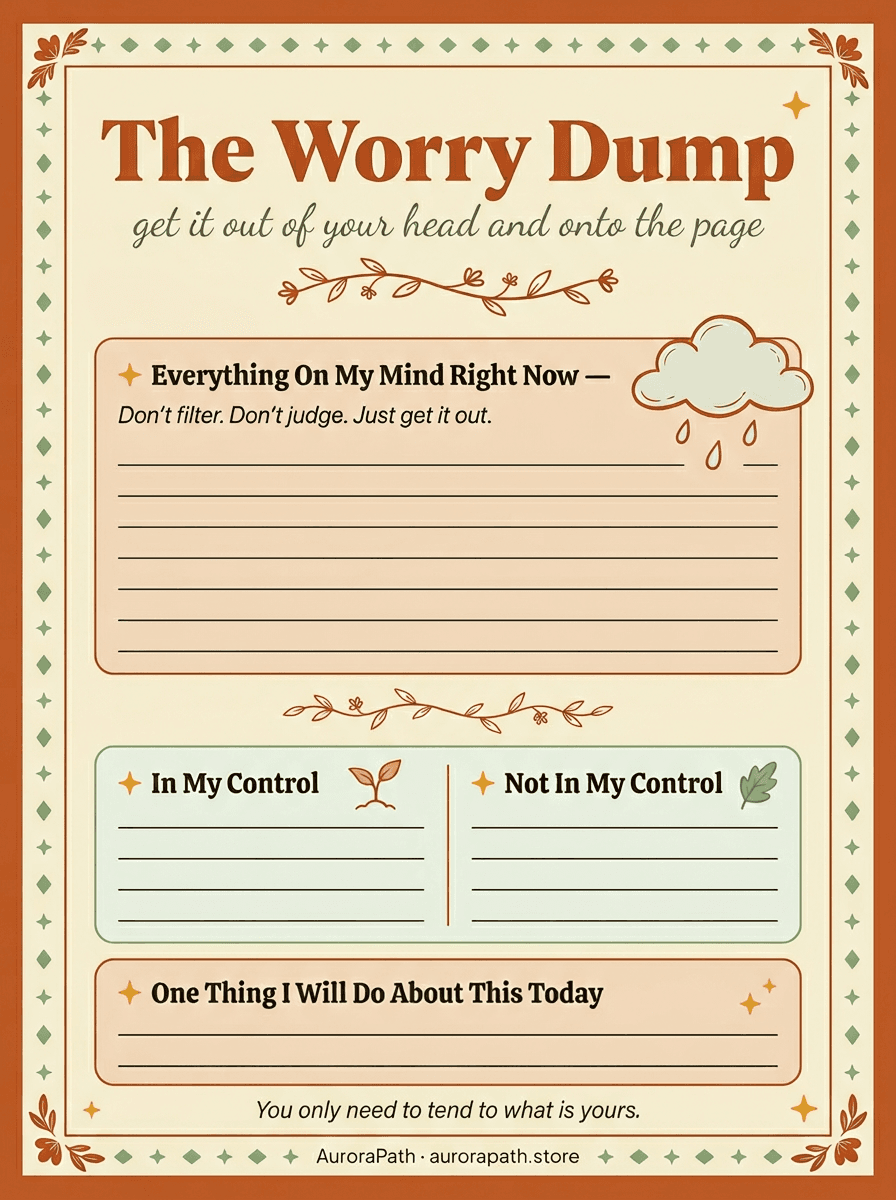
Worry-Mapping: Find Out Which Part, Exactly
Before fixing anything, find the actual worry — because "school" is never the worry. Sometime calm (not bedtime), get specific together: "When you think about going back, which bit does your tummy squeeze at? Walking in? Lunchtime? The work? Who you'll sit with?"
Draw it if that helps: a quick map of the school day, and they mark the wobbliest spots. You'll often be surprised — the child you assumed feared the work is actually worried about the cloakroom crush, which is solvable by Tuesday. Specific worries have specific fixes; vague dread has none. (For the conversation itself, the validate-then-anchor scripts in what to say when your child is anxious are the toolkit.)
The Two-Week Ramp
Days 14–10: shift the sleep. Holiday bedtimes drift late, and a child running on a two-hour sleep deficit meets day one with half a regulation tank. Move bedtime and wake-up 15 minutes earlier every couple of days until you're at term-time schedule — with the full wake-up routine, breakfast at the term-time hour. Boring, unglamorous, and worth more than everything else here combined.
Days 10–7: rebuild the routines. Run the morning sequence twice for real: dressed, fed, bag packed, out the door at the actual time, even if the destination is the park. Rehearsal converts the chaotic first morning into a third performance. Let them pack their own bag with a checklist — competence is anxiety's quiet opposite.
Days 7–4: walk the route, visit the ground. Walk or drive the school run at the real time of day. If the school's open, walk the playground; many schools will happily let an anxious child peek at the new classroom — ask. For a new school, do it twice. The brain files these as been there before, which is the whole point.
Days 4–2: the teacher letter. For bigger worries or new teachers, have your child draw or write a short hello — one thing they love, one thing they're nervous about — and email a photo of it to the teacher (most respond warmly, and the reply is gold: the unknown adult becomes a known one). At minimum, you email a two-line heads-up about the anxiety; teachers handle wobbles far better when briefed.
The last two days: downshift. No big outings, no late nights, no "last day of freedom!" hype — anticipation amplifies everything, including fun. Quiet, ordinary, early nights. Pack the bag together the evening before, lay the clothes out, and do something gently ritual-ish: the special breakfast plan, the lucky socks. Predictability is the message.
First-Week Rituals
The anxiety doesn't end at the gate on day one — the first fortnight needs holding too.
The goodbye script, agreed in advance. Same words, same hug, same wave spot, every day: "Two squeezes, 'see you at three,' and I walk." Lingering negotiation at the gate feeds the wobble; a known ritual bounds it. If there are tears, the teacher takes the handover — and in almost every case the tears stop within minutes of your departure (ask the teacher; they'll tell you honestly).
Expect the 3:30 crash. A child holding it together through an anxious first week will fall apart at pickup — that's after-school restraint collapse, it's a compliment, and the snack-first/questions-later protocol applies double in week one.
One tool in the pocket. Teach a single in-school calmer — hot-chocolate breathing or feet-on-the-floor grounding — and practise it at home until it's easy. Then make it concrete: a small stone in the pocket, "squeeze it and do your breathing if the wobble comes." Tools beat promises.
Keep the evenings boring. Early nights all fortnight, clubs and playdates light. The system is doing heavy adaptation work; don't schedule against it.
Normal Nerves vs Something More
The two-week plan handles normal transition anxiety, which fades noticeably by weeks two-to-three as the unknowns become knowns. Take it more seriously if: the distress escalates through September instead of easing, there's outright refusal (not reluctance — refusal) most mornings, physical symptoms are frequent and real (vomiting, recurring pain), sleep stays broken, or the worry centres on something specific and dark (a bully, an incident). Then it's a same-week conversation with the teacher about what the days actually look like — and your GP if the picture doesn't ease, because persistent school refusal responds far better to early support than to waiting it out. Our deeper guide to school anxiety in children covers that territory.
A daily calm practice over the summer is the best running start a wobbly September can have — Grow Calm, our 30-day printable mindfulness book for ages 7–11, is built for exactly that timing. Free worksheets at aurorapath.store.
From the AuroraPath Store
Grow Calm
A 30-day mindfulness challenge for kids aged 7–11. 96 beautifully illustrated pages — instant download.
$15.99
Get Grow Calm →Instant PDF download · Print at home
Alex Ewing
Creator of AuroraPath
Alex Ewing created AuroraPath to make premium mindfulness resources accessible for every family. Grow Calm is the first book in the AuroraPath collection.